In this article
In this article
Most organizations do not have a shortage of security tools. They already have endpoint protection. Firewalls. Cloud security. Identity monitoring. Centralized logging. SIEM platforms. Sometimes several products are watching the same environment from different angles.
Tero is not designed to replace those systems. It is designed to add something different: visibility into infrastructure nobody should be interacting with in the first place. That makes Tero another source of security evidence — one designed to complement the tools already protecting your real systems.
Your existing tools watch what matters
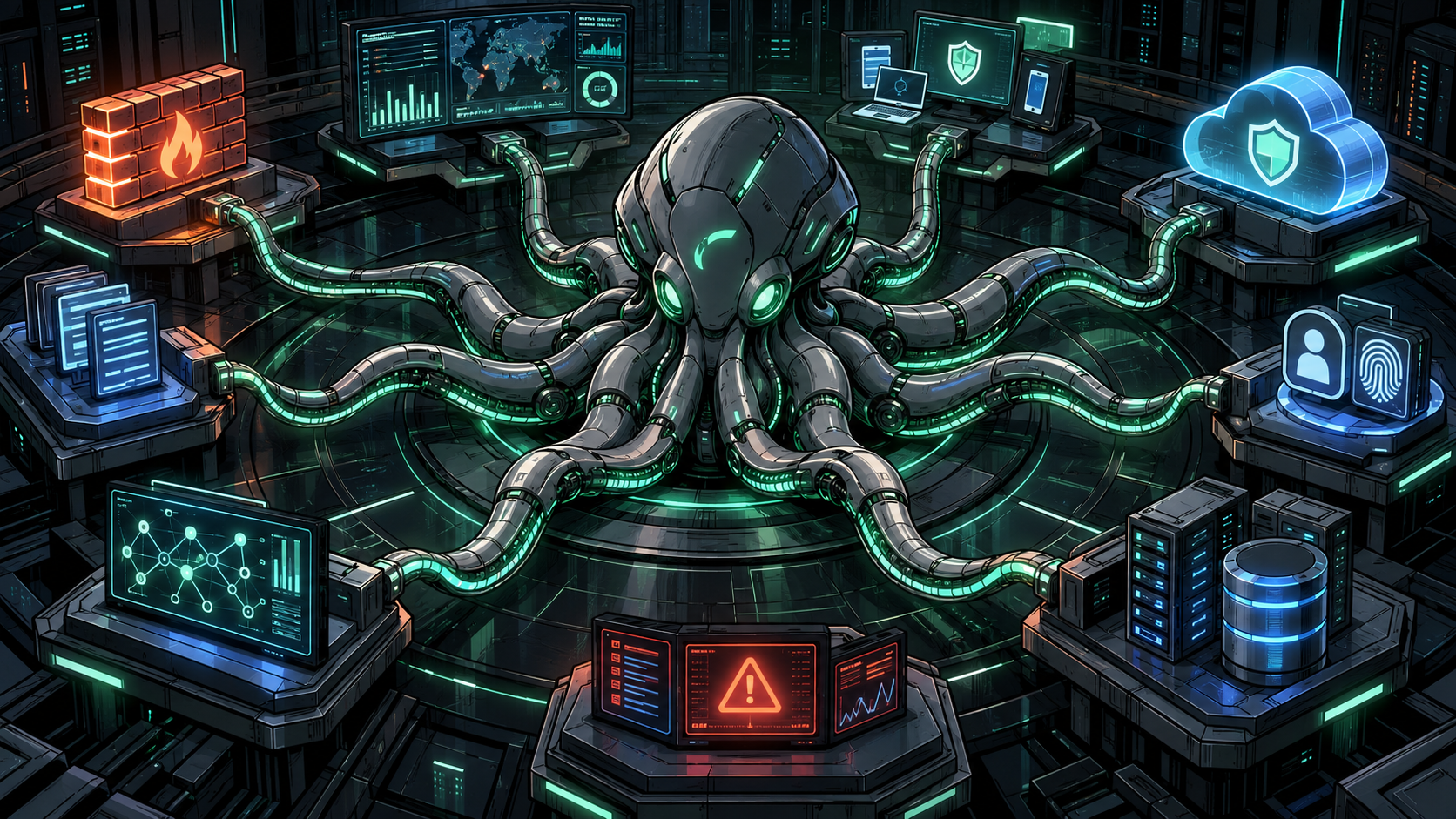
Traditional security controls have an important job. They protect the infrastructure your business actually depends on. An EDR watches endpoints where employees work. A firewall controls traffic between legitimate systems. Cloud security tools monitor workloads, permissions, configuration and activity across real cloud infrastructure. A SIEM brings signals together so security teams can investigate them centrally. Logging platforms preserve the activity generated by those systems.
All of that remains important. The challenge is that these tools operate in environments full of legitimate activity. A production server is supposed to receive connections. A database is supposed to receive queries. Users are supposed to authenticate. Applications are supposed to communicate. So detecting malicious behavior often means identifying something unusual inside a large amount of normal activity.
Tero adds a different kind of signal
Tero introduces realistic decoys into the environment. They can look like systems an attacker would reasonably expect to find:
- databases
- VPN portals
- file servers
- Kubernetes services
- internal APIs
- Redis
- object storage
- container registries
But they are not production systems. Normal users and applications should have no business dependency on them. That changes the meaning of an interaction. If someone queries your real MongoDB database, there may be dozens of legitimate explanations. If someone starts enumerating a Tero MongoDB decoy, the list of legitimate explanations becomes much smaller. That is where Tero fits. It adds high-confidence detection signals without asking you to abandon the systems already monitoring production.
Read more in Why High-Confidence Detection Matters More Than More Alerts.
Tero + EDR
EDR is focused on what is happening on endpoints. It can help identify suspicious processes, malware, persistence, credential activity and endpoint behavior. Tero gives that investigation another reference point. Imagine a Tero decoy records unexpected activity from a device. The security team can take that source and investigate it through their EDR:
Tero detects unexpected interaction
        ↓
Identify originating endpoint
        ↓
Check EDR telemetry
        ↓
Investigate processes, users and activity
Tero provides the signal. EDR helps explain what was happening on the machine behind it. The two solve different parts of the investigation.
Tero + SIEM
A SIEM becomes most useful when the data entering it has meaningful context. Tero events can provide that. Instead of another generic network event, the SIEM can receive information such as:
Decoy: MongoDB
Environment: Cloud / VPC
Sensor: Barcelona-01
Activity: Database enumeration
Source: Observed client
Confidence: High
The security team can then correlate that activity with identity logs, endpoint telemetry, network events and cloud records already stored in the SIEM. Tero does not need to become the organization's central security data platform. It can provide valuable evidence to the one they already use.
Tero + firewalls and network security
Firewalls answer questions such as:
“Should this connection be allowed?
Tero answers a different question:
“Why is this connection happening at all?
A firewall may legitimately allow traffic between portions of an internal network. If an attacker already has a foothold inside that environment, they may begin scanning and exploring services available to them. A Tero decoy gives that exploration somewhere to become visible. The firewall continues enforcing network policy. Tero adds another detection opportunity inside the network.
Tero + cloud security
Cloud security platforms provide essential visibility into real cloud accounts, workloads, identities and configuration. Tero's Cloud/VPC environment adds realistic systems specifically for detection. For example:
Kubernetes API
MongoDB
Redis
Object Storage
Docker Registry
Internal API
An attacker exploring a cloud network may believe they have discovered useful infrastructure. To the defender, interaction with those systems is evidence. Your cloud security tools continue watching production. Tero watches infrastructure designed to reveal unexpected exploration.
See how this works in Protecting the Cloud With Decoys That Actually Belong There.
Tero + logging and observability
Logs tell you what happened. The challenge is knowing which events matter. Tero adds useful context because the assets generating its detection events have a specific purpose. They exist to be left alone. If they suddenly receive:
connection
→ authentication attempt
→ enumeration
→ query
→ further exploration
that sequence carries meaning before it is correlated with anything else. Those events can then become another piece of the organization's broader investigation timeline.
Tero becomes a starting point for investigation
The real value appears when the tools work together. Consider an attacker who interacts with a decoy:
Tero
Detects unexpected MongoDB enumeration
        ↓

EDR
What was happening on the source endpoint?
        ↓

Identity
Which user or credential was active?
        ↓

Firewall / Network
Where else did the source communicate?
        ↓

Cloud Security
Was there related activity in cloud infrastructure?
        ↓

SIEM
Correlate the complete timeline
Tero does not need to answer every question. It needs to give the security team a strong reason to start asking them. That is an important distinction.
Add detection without rebuilding your security program
Introducing a new security capability should not mean replacing everything that already works. Tero is designed to sit alongside the controls organizations already depend on. Your EDR keeps protecting endpoints. Your firewall keeps enforcing policy. Your cloud tools keep watching production infrastructure. Your SIEM keeps bringing evidence together.
And Tero adds another layer: realistic infrastructure that turns unexpected interaction into a high-confidence signal. The result is not another competing security stack. It is another way for the stack you already have to learn that something deserves attention.
To see what happens after that first interaction, read:
What Happens When an Attacker Touches a Tero Decoy? →
Or see how Tero works alongside your existing security controls: