
In this article
In this article
What Happens After an Attacker Gets Inside Your Network?
An unfamiliar connection reaches an internal database. A valid account attempts to access a service it does not normally use. Someone begins exploring resources beyond the application they originally entered.
Individually, these actions can look ordinary. Together, they may tell a different story.
Protecting your business means having a way to recognize that story while it is unfolding.
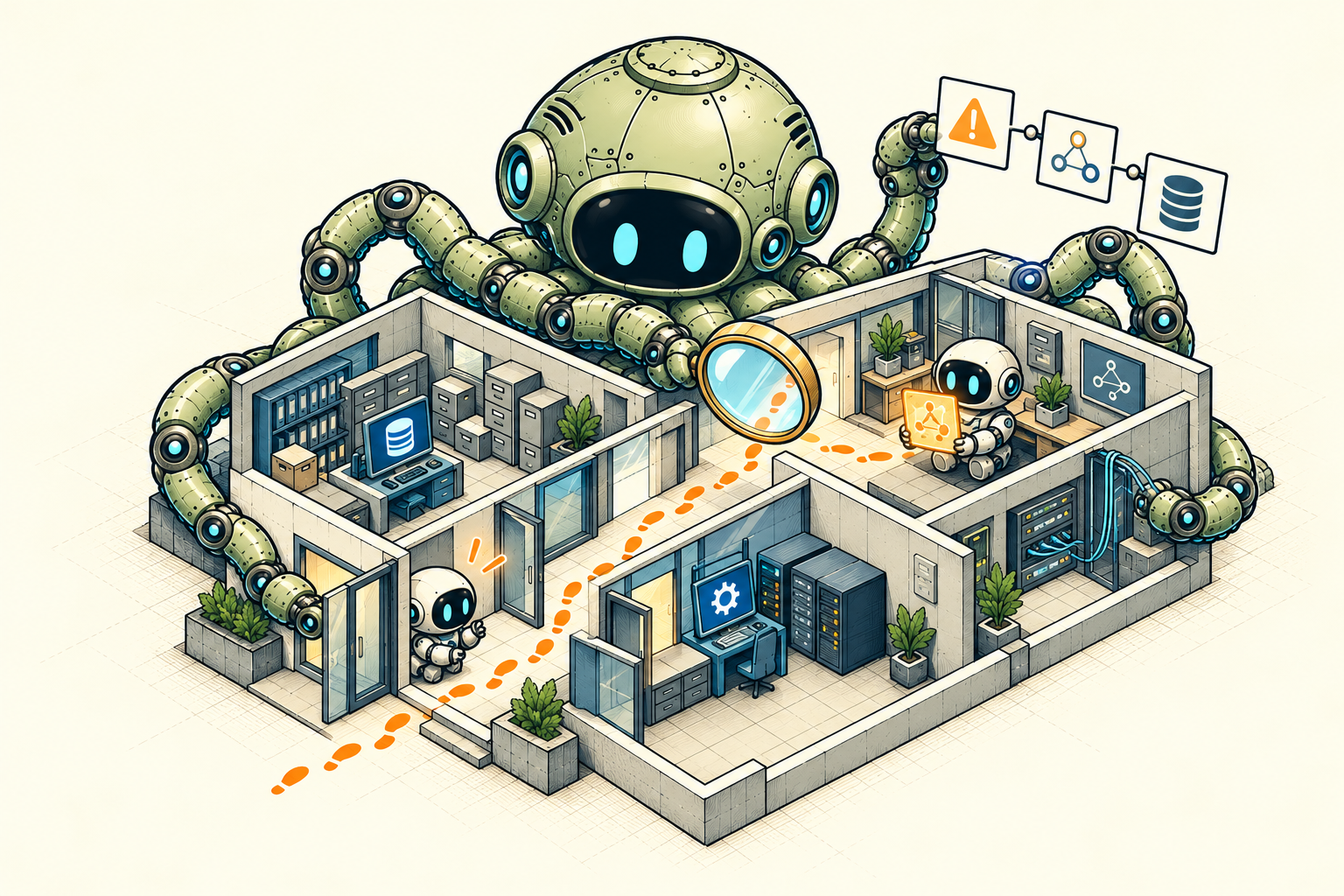
Access is a starting point
An attacker who gains an initial foothold may still need to discover valuable systems and obtain access to them. Moving between systems can involve legitimate credentials and familiar remote-access tools—a behaviour described within MITRE ATT&CK’s lateral movement tactic.
For the defending team, the challenge is context.
A database login could belong to an application. An internal connection could come from an administrator. A sequence of requests could be routine automation.
Your team needs a reason to look closer, supported by evidence that helps explain what happened.
Create a resource that makes unexpected access meaningful
A security Decoy introduces a realistic resource specifically for detection.
It might resemble a reporting database, an internal application or a service relevant to your business. Its content is synthetic, and production workflows do not depend on it.
That creates a useful distinction: an interaction with the Decoy is not required to complete ordinary business work.
It still needs interpretation. Authorized testing, vulnerability scanners and monitoring tools can also interact with Decoys. Knowing those expected sources helps your team focus on activity that deserves investigation.
The value comes from placing something credible where an unexpected interaction can become a useful signal.
Follow the behaviour beyond the first connection
Imagine a database Decoy in an application network.
A connection arrives. Authentication succeeds. The client lists tables, reads several records and attempts an operation its account cannot perform.
This is an illustrative sequence, but it shows why a single connection alert is only part of the picture.
The investigation becomes more useful when your team can distinguish:
- The source and timing of the interaction.
- The resource that was accessed.
- The actions attempted.
- The actions that succeeded or were denied.
- The sequence preserved in the available evidence.
Those details help an analyst decide what to examine next. They can compare the activity with authorized tests, review the originating system and assess whether other resources need attention.
Choose placement around your business
A convincing Decoy should fit its surroundings.
A reporting database makes sense near applications that handle business records. An internal portal may be relevant in an office network. A development service can create a detection opportunity around engineering workloads.
Start by asking:
What resource would someone exploring this part of our environment reasonably expect to find?
Then consider reachability. The Decoy must be accessible from the network locations you intend to observe, within deliberately configured access boundaries.
Credibility and placement work together. A realistic service in an unreachable location cannot show you interactions that never arrive.
Turn the signal into
an investigation
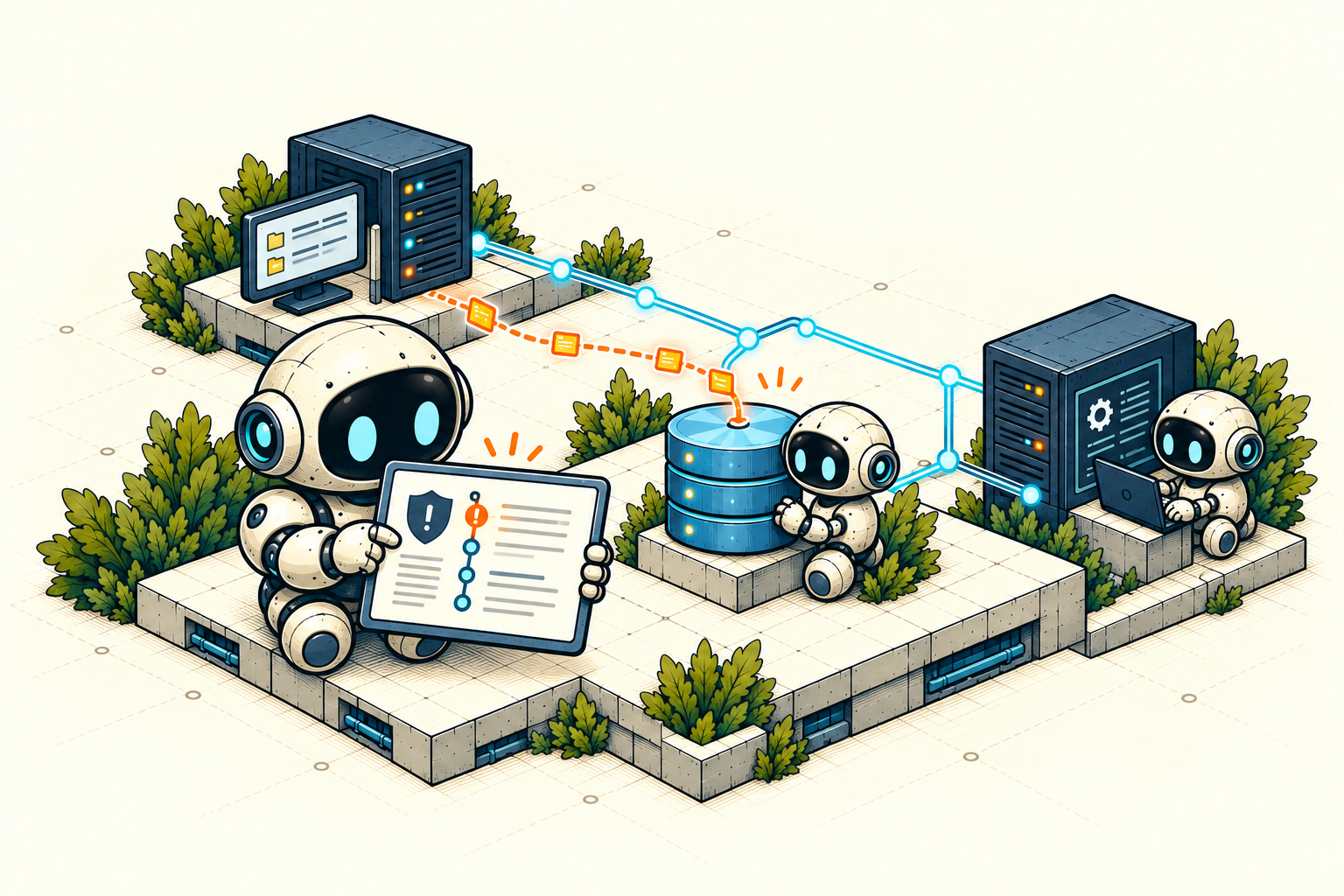
Tero connects this approach through Sensors, Decoys and recorded investigations.
Your team deploys a Sensor in the environment you want to observe, introduces relevant Decoys and reviews suspicious interactions through the console.
The practical benefit is a c
learer starting point for investigation: a resource, an interaction and the evidence available around it.
Begin with one focused deployment. Perform an authorized test from a separate client, then check whether your team can reconstruct the activity.
A successful test should answer more than “Did an alert appear?”
It should answer: “Can we understand what happened well enough to decide what to do next?”