
In this article
In this article
Security Monitoring for Real Environments
Your company’s systems are constantly doing something. Applications connect to databases, employees sign in, background jobs run and services retry requests. Within that activity, an unfamiliar connection or a repeated access attempt can deserve attention. The challenge is identifying the behavior that matters and understanding what the available evidence actually shows.
Tero Security Monitoring adds visibility into supported systems your organization already operates. Alongside realistic decoys, it gives your team another way to identify suspicious behavior and investigate it with context.
What security monitoring should help you understand
Security monitoring brings together the collection and analysis of relevant activity so a team can identify potential security incidents. The UK’s National Cyber Security Centre describes effective monitoring as a combination of appropriate logs, analysis tools and the ability to act on findings. Collecting records is one part of that process; interpreting them is another.
For the person reviewing a detection, the practical questions are straightforward: which resource was involved, what was attempted, when did it happen and what result was recorded? Useful monitoring keeps those answers connected to the original evidence.
How Tero Security Monitoring works
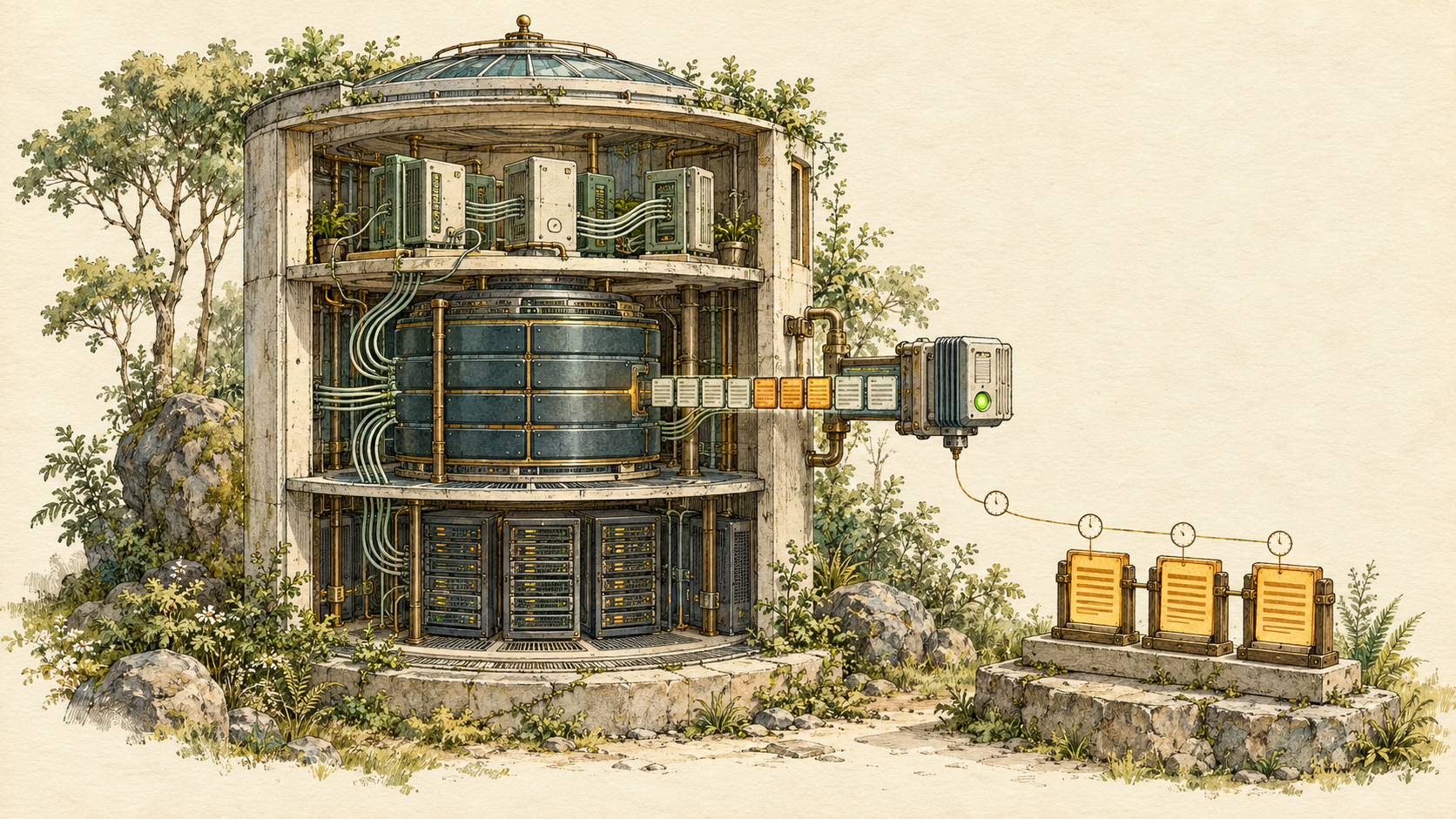
The Tero Sensor provides a shared runtime for two capabilities: Decoys and Security Monitoring. Decoys create synthetic resources for observing interactions. Security Monitoring collects activity from approved, supported sources in the environment. An organization can use either capability or combine them on its Sensor.
In Tero’s PostgreSQL monitoring workflow, the Sensor reads approved database logs and forwards the collected observations for analysis. This log-based approach does not require the Sensor to query business tables or sit between the application and its database. Coverage depends on the supported source, the logging configuration and the records available to the collector.
From an authentication failure to a useful finding
Consider a PostgreSQL service that records several failed authentication attempts. The records establish that authentication failed. Understanding the security significance requires more context, including timing, the attempted identity, the source and whether the activity meets a supported detection rule.
A single failure could be a typing mistake or an application using an outdated credential. A qualifying pattern can warrant investigation. Tero separates the recorded observations from detected actions, retaining supporting evidence without treating every connection or failure as an independent attack.
The recorded outcome also matters. A denied operation tells the reviewer that the service refused that operation; it does not establish that an entire environment is safe. Keeping the action, outcome and detection reason distinct helps your team assess what happened without reading more into the evidence than it supports.
Why monitoring and decoys belong together
Decoys provide a place to observe behavior against synthetic systems and resources. Security Monitoring adds visibility into activity recorded by supported existing systems. These capabilities answer different questions and can strengthen the same investigation.
Someone attempting to access an existing database may never interact with a nearby decoy. Monitoring can examine the approved logs from that database, while the decoy remains available to reveal other interactions. Using both broadens the places where your organization can collect useful evidence.
This approach fits alongside the controls your company already relies on, including access management, network restrictions, endpoint protection and incident response procedures. Tero contributes detection and investigation evidence within that wider security strategy.
Monitoring health is part of the picture
A connected Sensor and a working monitoring source are separate conditions. The Sensor may reach the platform while a source is unavailable, its permissions have changed or its logs have stopped arriving. Operational visibility should make these conditions clear so the team understands the coverage it has.
That distinction matters during a quiet period. An empty detection feed means something different when collection is healthy than when the source cannot be read. Reviewing source health and recent collection helps your team interpret the absence of findings responsibly.
Start with the security question that matters
Choose a supported source around an important business system and identify who will review its findings. Tero connects supported detections to the relevant source, observed outcome and supporting evidence, helping your team decide what to investigate.
For engineering and security teams, the value is a clearer account of activity around important systems. Tero brings Security Monitoring and Decoys into the same platform so your organization can connect supported detections to evidence and make better-informed investigation decisions.
Explore Tero Security Monitoring to see how approved log collection and realistic decoys can support visibility in your environment.