
In this article
In this article
AI Cyberattacks: How Hackers Use AI and How Tero Helps
An invoice arrives from a supplier your business recognises. The wording is professional. The timing makes sense. The message asks an employee to sign in to review a document.
Imagine that the message is fraudulent, and the employee follows it to a convincing fake login page. An attacker gains access to an account. The next concern is what they can reach from there.
AI can help attackers prepare the message and perform parts of the technical work that follows. For businesses, that makes both prevention and visibility inside the environment important.
AI cyberattacks are attacks in which criminals use artificial intelligence to assist activities such as researching targets, writing phishing messages or developing malicious code. AI can accelerate parts of an attack; the level of human involvement varies.
This guide explains how hackers use AI, what the risks mean for smaller businesses, and how Tero helps reveal suspicious activity involving monitored decoy resources.
How do hackers use AI in cyberattacks?
Attackers can apply AI at several points in an operation. OpenAI’s February 2026 threat report describes malicious actors combining AI with conventional tools, including websites and social media accounts.
Researching a business and its employees
An attacker can use AI to organise public information about a company, understand its industry and prepare a believable approach. A message that reflects someone’s role can feel more relevant than a generic request.
Microsoft reports that threat actors use AI to support reconnaissance and refine social engineering.
Creating more convincing AI phishing messages
AI phishing uses generated or edited content to make a fraudulent request more persuasive. An attacker might adapt a message to a finance team, translate it into the recipient’s language or make it sound like a familiar business conversation.
Microsoft has observed AI helping attackers localise phishing content and tailor messages to particular roles. For employees, correct spelling and professional language are therefore weak reasons to trust a message.
Assisting with malicious code and technical problems
Attackers also use AI for coding assistance and troubleshooting. Google’s September 2026 threat research describes AI support across activities including malware obfuscation and post-compromise troubleshooting, alongside some operations using more automated agent workflows.
These observations show why it is useful to look beyond the email that starts an attack. Technical activity after access matters too.
What happens after an AI-assisted attack gets inside?
Successful access gives an attacker a foothold. What happens next depends on the permissions, systems and information available to them.
They may investigate accessible services, look for useful files or attempt to reach another system. Moving from an initial foothold toward other resources is commonly called lateral movement.
Consider a hypothetical intrusion into a business network. An attacker discovers a service that appears to hold internal documents and attempts to access it. A defender benefits from knowing which service was contacted, when it happened and what activity was recorded.
That is an opportunity for cyber threat detection, whether the attacker is working manually, using conventional scripts or receiving assistance from AI. The observable interaction is what gives the defender something to investigate.
How Tero helps detect suspicious activity
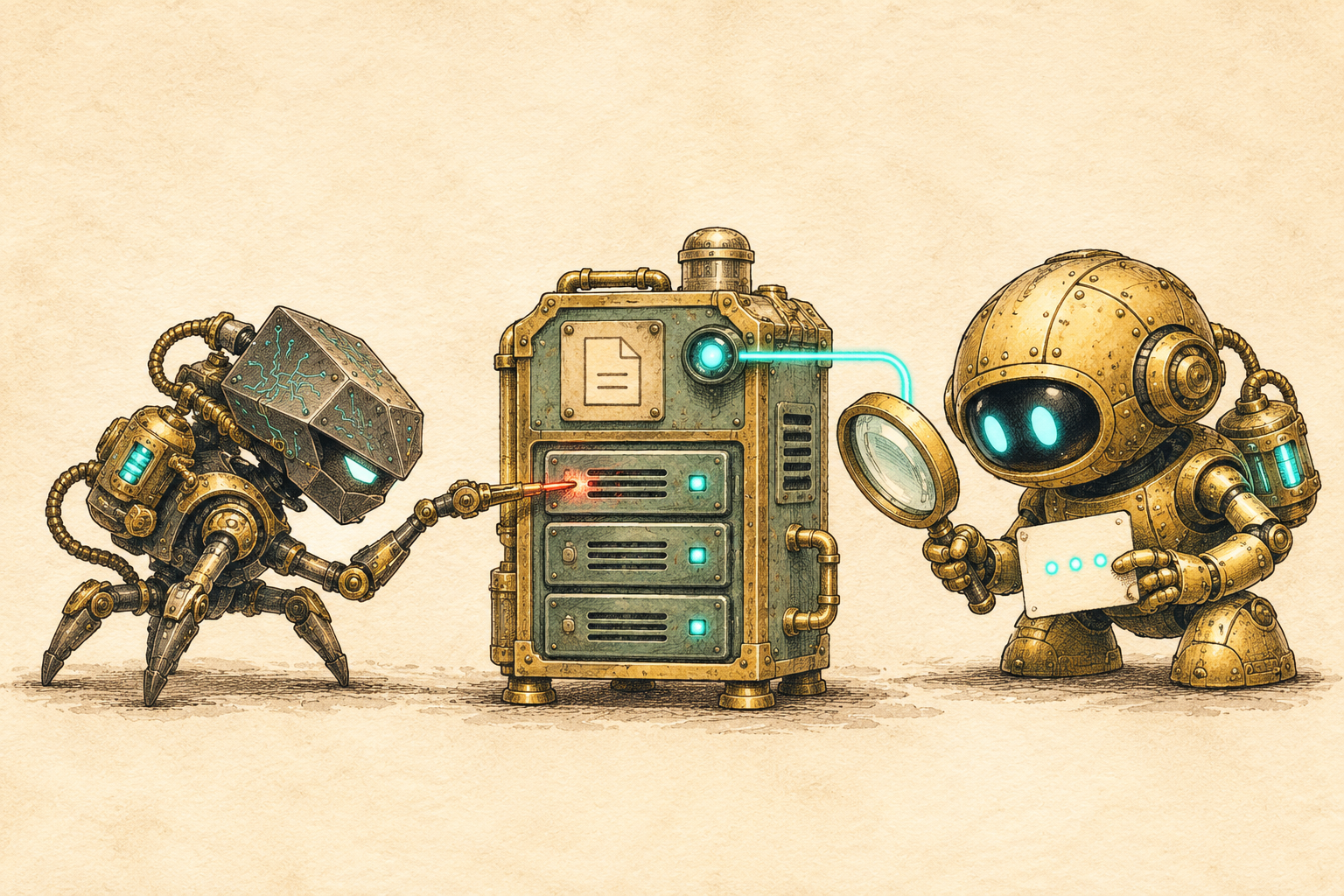
Tero adds visibility through Sensors that host monitored decoy resources. These resources resemble useful business systems, while serving a security monitoring purpose.
Depending on the deployment, a decoy might resemble a file service, an internal web application or a database service. Its value comes from the interaction evidence it can produce when someone engages with it.
For example, a connection to a monitored decoy service can provide evidence about the source address, time and supported actions observed. The available detail depends on the resource and protocol.
Tero brings this evidence into its events, alerts and investigation views, helping a team examine suspicious contact in context.
Why decoys are relevant to AI-assisted attacks
An attacker researching an unfamiliar environment may investigate resources that appear valuable. A monitored decoy gives defenders an opportunity to observe that activity when the attacker encounters and interacts with it.
The detection opportunity does not depend on proving that AI generated a command or message. It comes from the contact with the monitored resource.
This makes decoys a useful additional layer for detecting suspicious exploration, including activity that could form part of an attempted lateral movement.
Evidence helps a team decide what to investigate
A useful security signal should lead to a concrete question: why did this source contact this resource?
Tero’s recorded evidence gives a team a starting point for answering it. They can review the observed activity alongside their identity, endpoint and network information, then decide what further investigation or response is appropriate.
Context remains necessary. An authorised scanner or administrator may also contact a decoy. An interaction warrants assessment; it does not establish the identity or intent of the person behind it.
Coverage also depends on where Sensors are deployed and which resources are monitored. Attacks that never touch those resources may remain outside that visibility.
AI cybersecurity for small businesses: where to focus
A practical defence combines controls that reduce the chance of compromise with ways to recognise and investigate suspicious activity.
The US Federal Trade Commission’s small-business guidance recommends measures including multifactor authentication, security updates, backups and independently confirming questionable requests.
Apply those fundamentals to the AI threat:
- Protect sign-ins. Use strong authentication and review access when accounts or staff responsibilities change.
- Verify sensitive requests. Confirm unusual payment or account requests through a contact method you already trust.
- Maintain systems and recovery. Keep software updated and maintain backups your business can use.
- Prepare to investigate. Know who reviews alerts and which evidence they need to assess suspicious activity.
Tero adds a focused detection layer to that approach. Monitoring decoy interactions can help a business notice activity it should examine, alongside the protection provided by its existing security tools.
Frequently asked questions about AI cyberattacks
Can hackers use AI to hack a business?
Yes. Threat reports document AI assisting activities such as reconnaissance, phishing and malicious coding. The extent of automation varies between operations.
Does AI make every cyberattack autonomous?
No. AI assistance can mean a person using a model for one task. Google has also documented more automated workflows in some operations. That does not mean every AI-assisted attack operates independently.
Can Tero detect hackers using AI?
Tero can record supported interactions with monitored decoy resources. Those interactions may reveal suspicious activity during an AI-assisted attack. The evidence does not, by itself, establish whether AI was used.
Does Tero replace existing security tools?
Tero contributes visibility and investigation evidence from monitored resources. Businesses still need controls for sign-ins, email, devices, software maintenance and recovery.
Give suspicious activity somewhere to reveal itself
AI-assisted attacks make it important to consider the entire intrusion, including what an attacker does after gaining access.
Tero helps businesses create opportunities to observe suspicious contact with monitored resources and examine the resulting evidence.
Talk to Tero about where Sensors can add visibility in your environment and which activity your team needs to investigate.